Unlocking India’s Talent Dividend — Why Financial and Mentoring Support Must Go Together
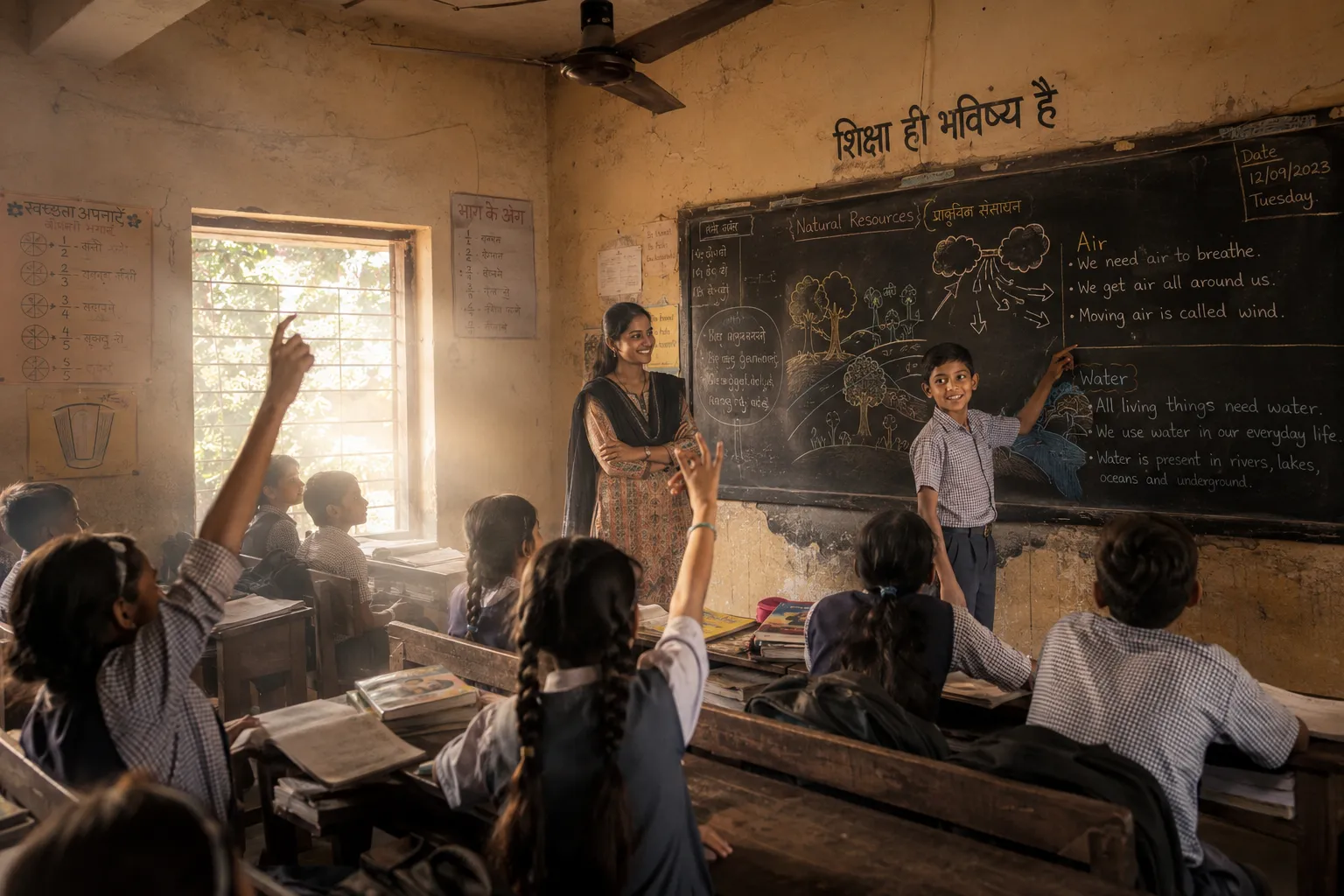
India stands at a pivotal moment in its demographic journey. With over 250 million students enrolled in schools and one of the largest youth populations globally, the country has an unparalleled opportunity to convert talent into transformation. Yet, the reality remains stark: only ~27–28% Gross Enrolment Ratio (GER) in higher education, and even lower completion rates among economically disadvantaged students.
The issue is not a lack of ability—it is a lack of sustained support.
Every year, thousands of academically bright students in India drop out between senior school and college, not because they cannot excel, but because they cannot afford to continue. Financial constraints are the most visible barrier, but they are rarely the only one. The invisible gap is often mentorship, exposure, and guidance—the kind that shapes aspiration into achievement.
In a rapidly evolving economy, where careers are no longer linear and industries are being redefined by technology, first-generation learners face a compounded disadvantage. Without role models or access to informed decision-making, even the most talented students struggle to navigate choices around higher education, careers, and skill-building.
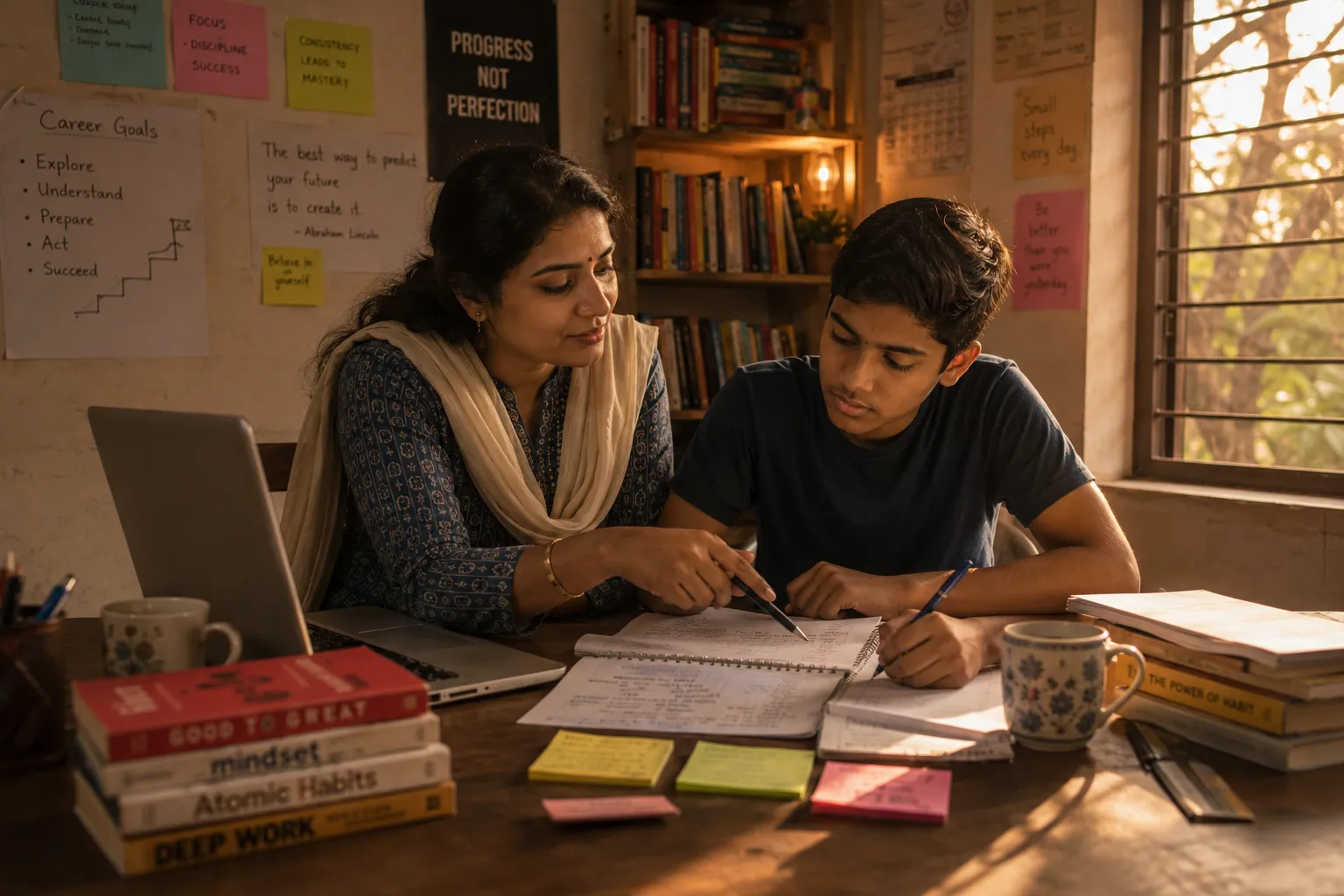
This is where the model of integrated support—financial aid combined with structured mentoring—becomes critical.
Global research consistently shows that students who receive both financial backing and mentorship are significantly more likely to:
- Complete their education
- Transition into meaningful employment
- Become contributors back to their communities
India’s future workforce will not just be defined by degrees, but by confidence, networks, and decision-making ability. Mentorship bridges this gap.
As India aims to become a $5 trillion economy, the conversation must shift from access to outcomes. It is not enough to get students into classrooms—we must ensure they are equipped to thrive beyond them.
Investing in high-potential students is not philanthropy; it is nation-building. And the multiplier effect is undeniable: one educated individual uplifts not just a family, but generations.
The real question is not whether India has talent. It is whether we are doing enough to unlock it.